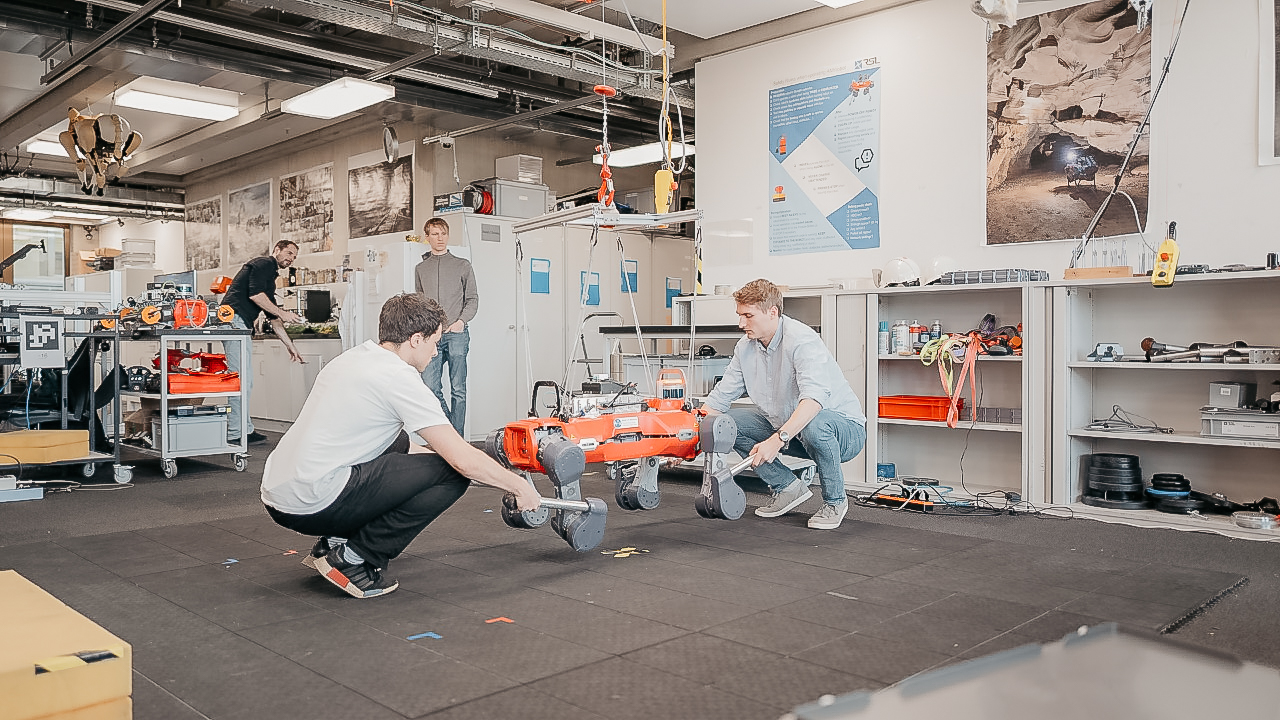
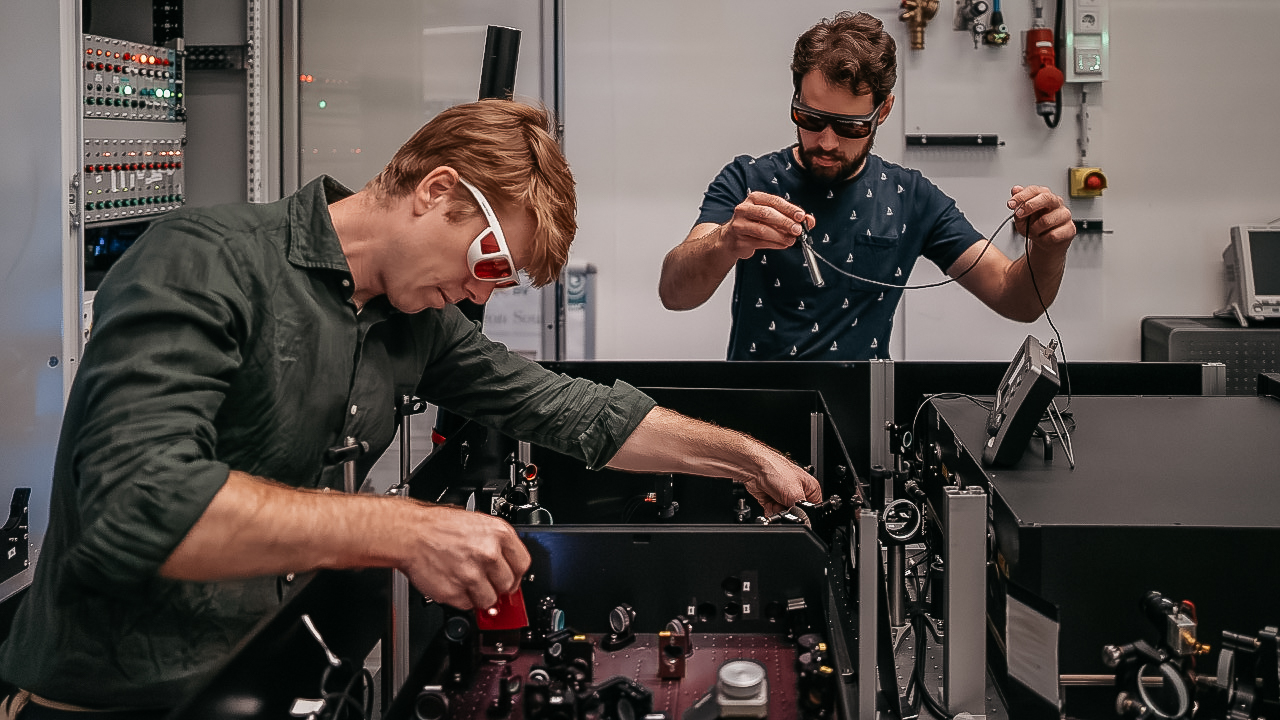
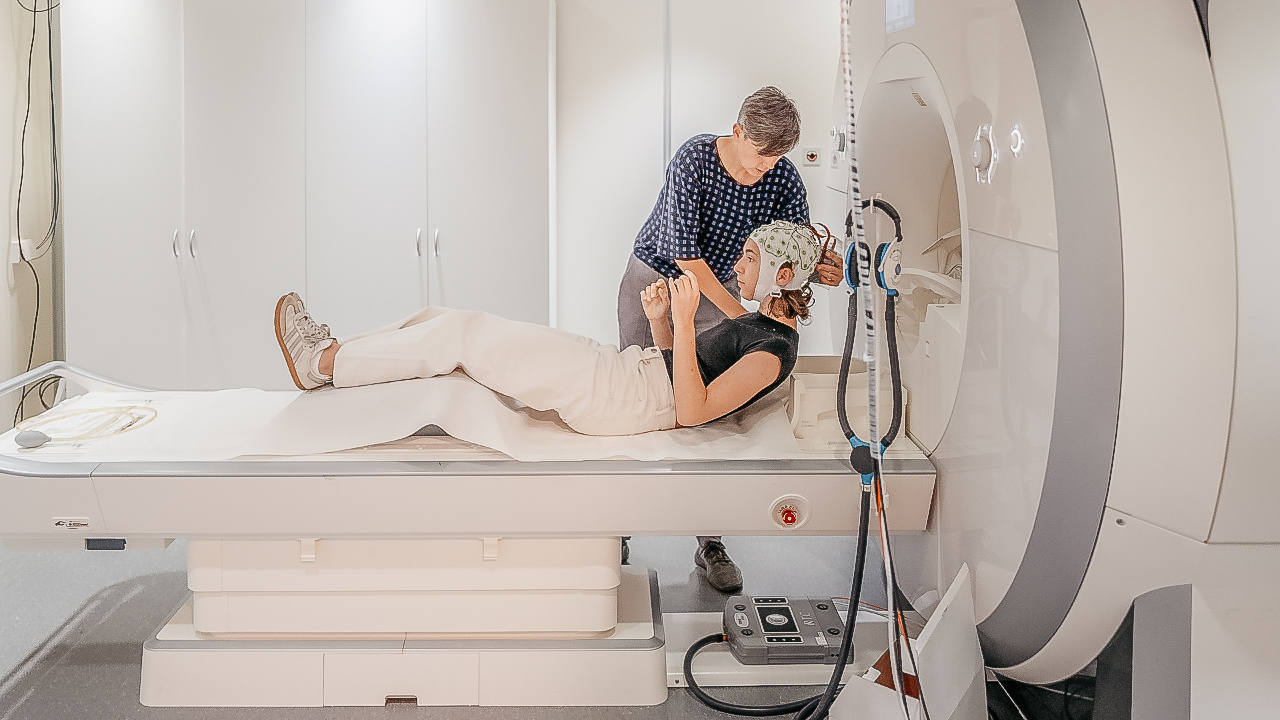
The challenge is to distil from the wealth of knowledge within a company the elements that really matter for its communication. Management knows where the company is heading. Sales teams hear what customers actually want. Engineers know which problems were particularly difficult to solve. Scientists understand the technology down to the smallest detail. And people who have only recently joined often see connections that everyone else has stopped noticing.
Our job is to bring these perspectives together and understand what makes the company unique – and to turn that understanding into clear and effective communication.
This requires close collaboration, because the knowledge we need is already there, even if its significance is not always obvious. We bring an outside perspective, ask questions and develop the answers into a focused, clear and coherent concept.
At the beginning, we ask a lot of questions. What exactly does the technology do? What customer problem does it solve? What can this solution do that others cannot? Who needs to understand it – and what do they need to know before they can make a decision?
Some answers are obvious. Others emerge only through the interplay of different perspectives. Developing a concept is an iterative process. An engineer may mention in passing a technical achievement that nobody has thought to communicate. Something a scientist takes for granted may turn out to be crucial for a customer. Someone who joined the company only three months ago may ask exactly the question that people who have been there for ten years would no longer think to ask. These are the moments we listen for.
An engineer may mention in passing a technical achievement that nobody has thought to communicate. Something a scientist takes for granted may turn out to be crucial for a customer. Someone who joined the company only three months ago may ask exactly the question that people who have been there for ten years would no longer think to ask. These are the moments we listen for.
For larger projects, we often begin with a workshop. We deliberately bring together people with different roles and levels of seniority: founders and executives, scientists and engineers, sales staff and sometimes trainees or recent hires.
Within the workshop, hierarchy is set aside. Expertise matters; job titles do not. Our role is to structure the discussion and keep it focused. We follow up and probe until we reach the point where an outsider can understand not only what the company does, but why it matters.
One of the easiest ways to dilute a good idea is to separate strategy from implementation. A strategy is developed, presented and approved. It is then often handed over to another team for implementation: the writers receive one briefing, the designers another, and the web developers yet another. Along the way, the original thinking can easily get lost. We work differently. We not only develop the strategy; we also orchestrate its implementation – often over many years. Regular meetings keep everyone aligned and ensure consistency across everything we produce. The website, specialist articles, corporate films, presentations and media coverage all remain recognizably part of the same whole.
We are deliberately a small agency and do not keep every discipline in-house. Instead, we work with an established network of photographers, filmmakers, designers, programmers, SEO agencies and other specialists, assembling the right team for each project. The principle is simple: the task determines the team, not the other way round. We remain responsible for the quality of the whole. Our clients have a single point of contact – and receive a single invoice.